


A series of 1-min videos for creative demonstrations on our protective garments and gloves.
-
Tyvek®
Expert Talks Videos



The Risks of Counterfeit Tyvek® Garments<br>

Rethinking Chemical Protection in FR Environments
Why antistatic treatment is important?

Why permeation data are so important?

Heat stress management & thermal comfort in chemical protective clothing

DuPont™ Tychem® 6000 Tape Donning Procedures
Quality of Single Use Garments

9 Steps for PPE Selection
Get the Facts Videos


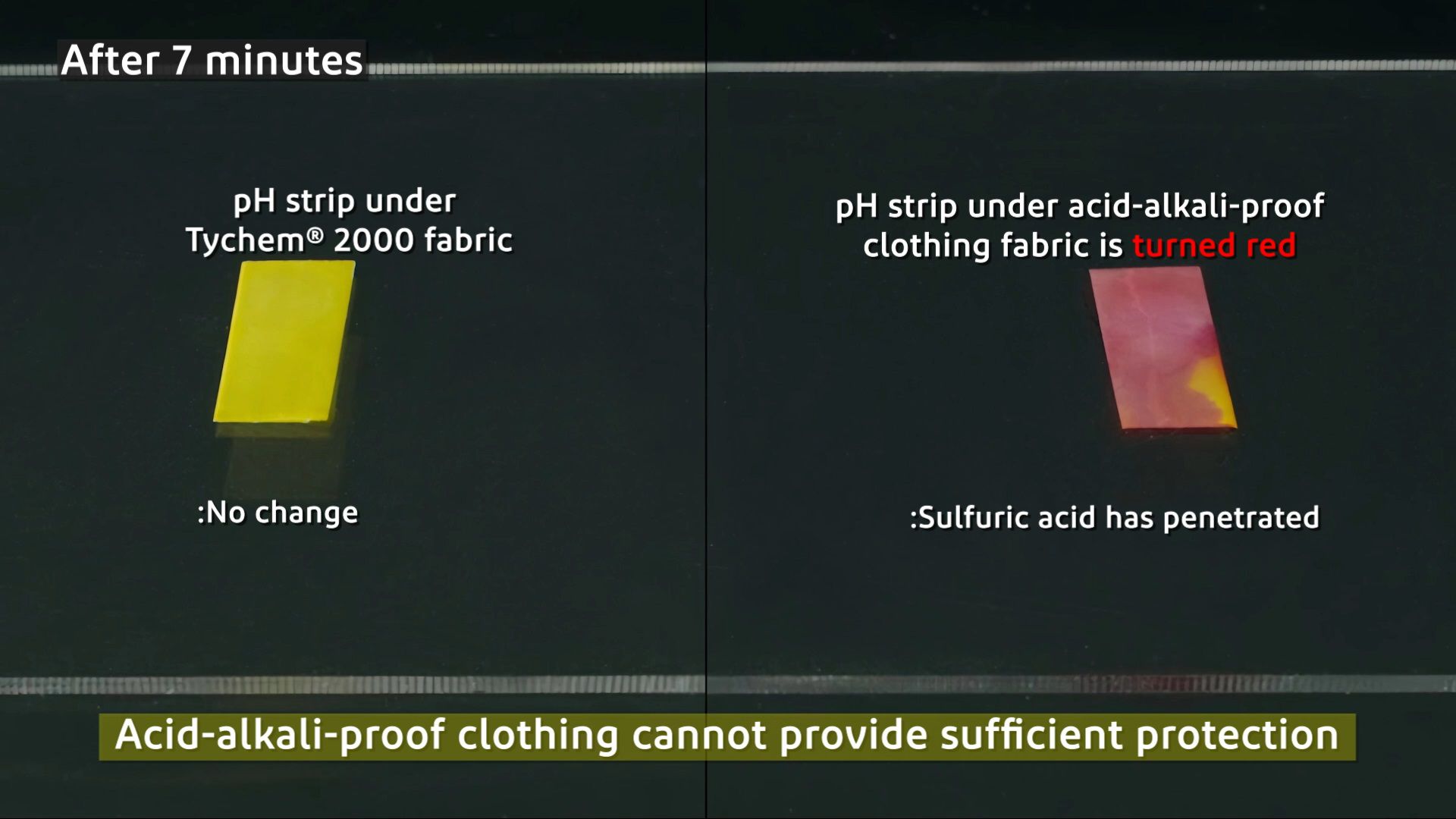
Tychem® vs. Chemically Treated Woven Workwear: Choosing the Right Protection Against Acids (98% Sulfuric Acid)

Tychem® vs. Competition: Safer Garment Closure Systems to Minimize Liquid Inward Leakage Risk

Tychem® vs. Competition: Exceptional Durability That Maintains Protection Throughout Garment Life

Tychem® SFR: Secondary Flame Resistance for Chemical and Flash Fire Protection

Safety Guide: Choosing the Right Decontamination Method for Chemical Hazards
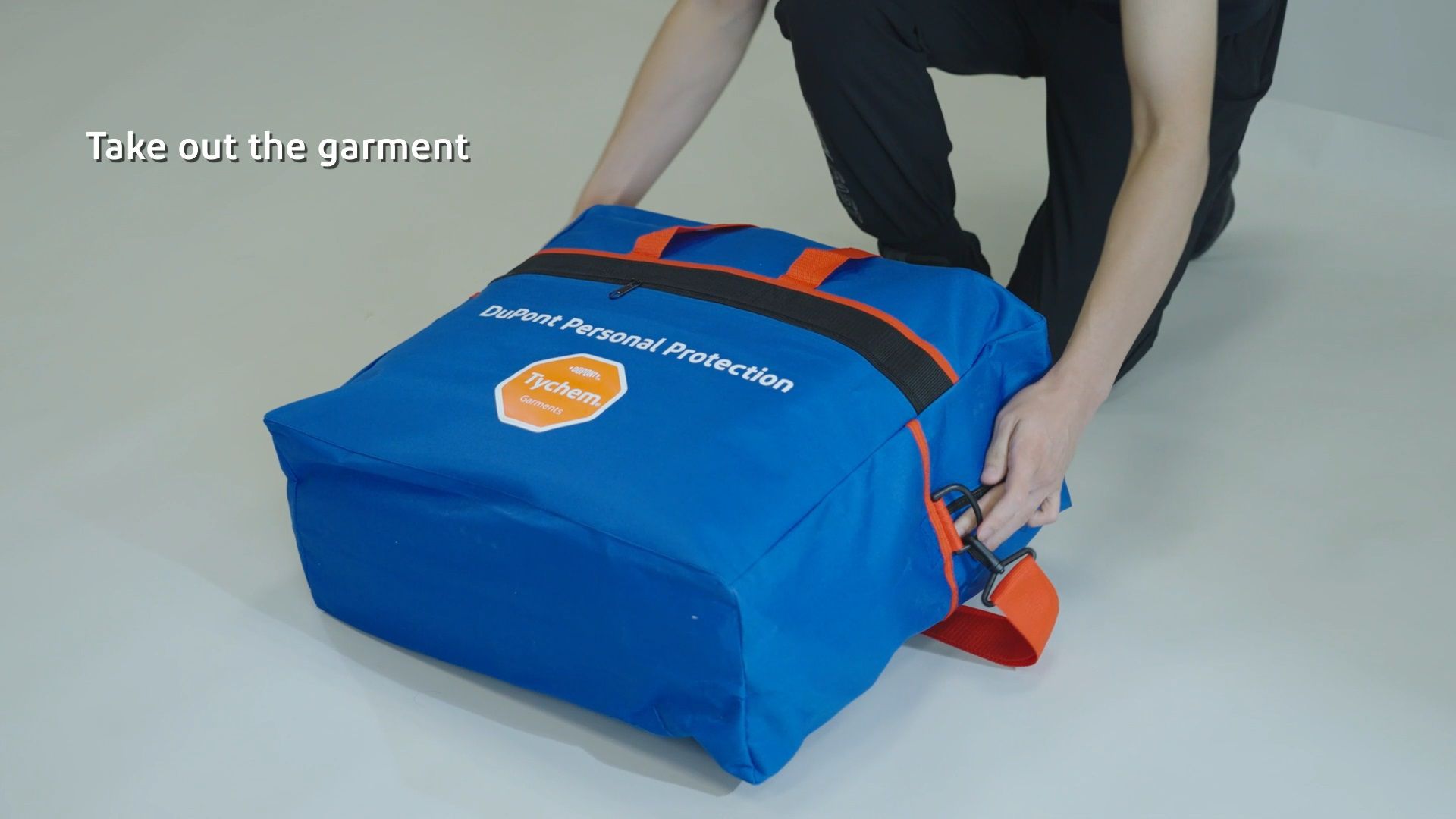
Safety Guide: How to Don and Doff Tychem® Level A Suit <br><br>
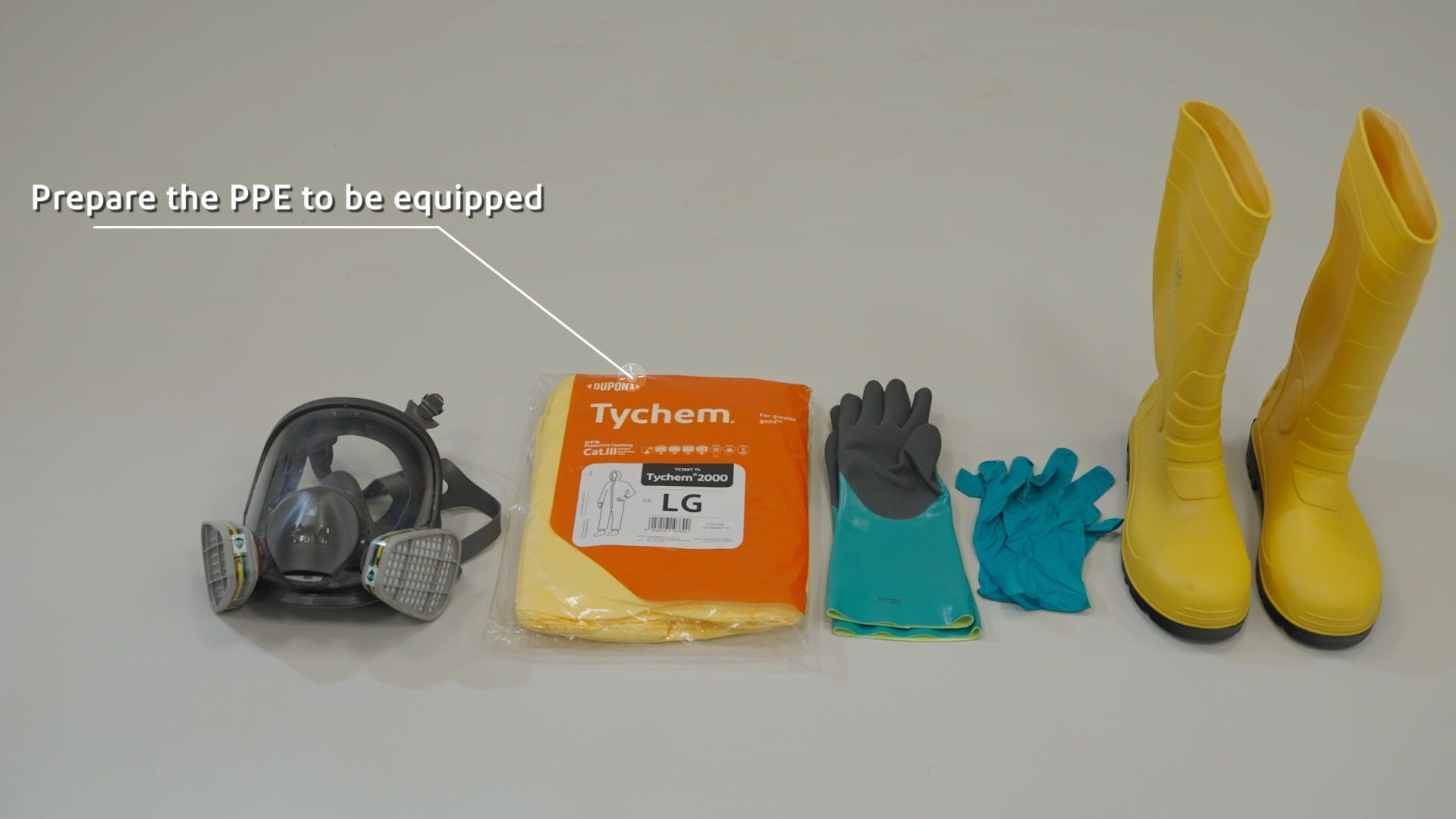
Safety Guide: Step-by-Step Procedure for Donning and Doffing Tychem® Hooded Coveralls
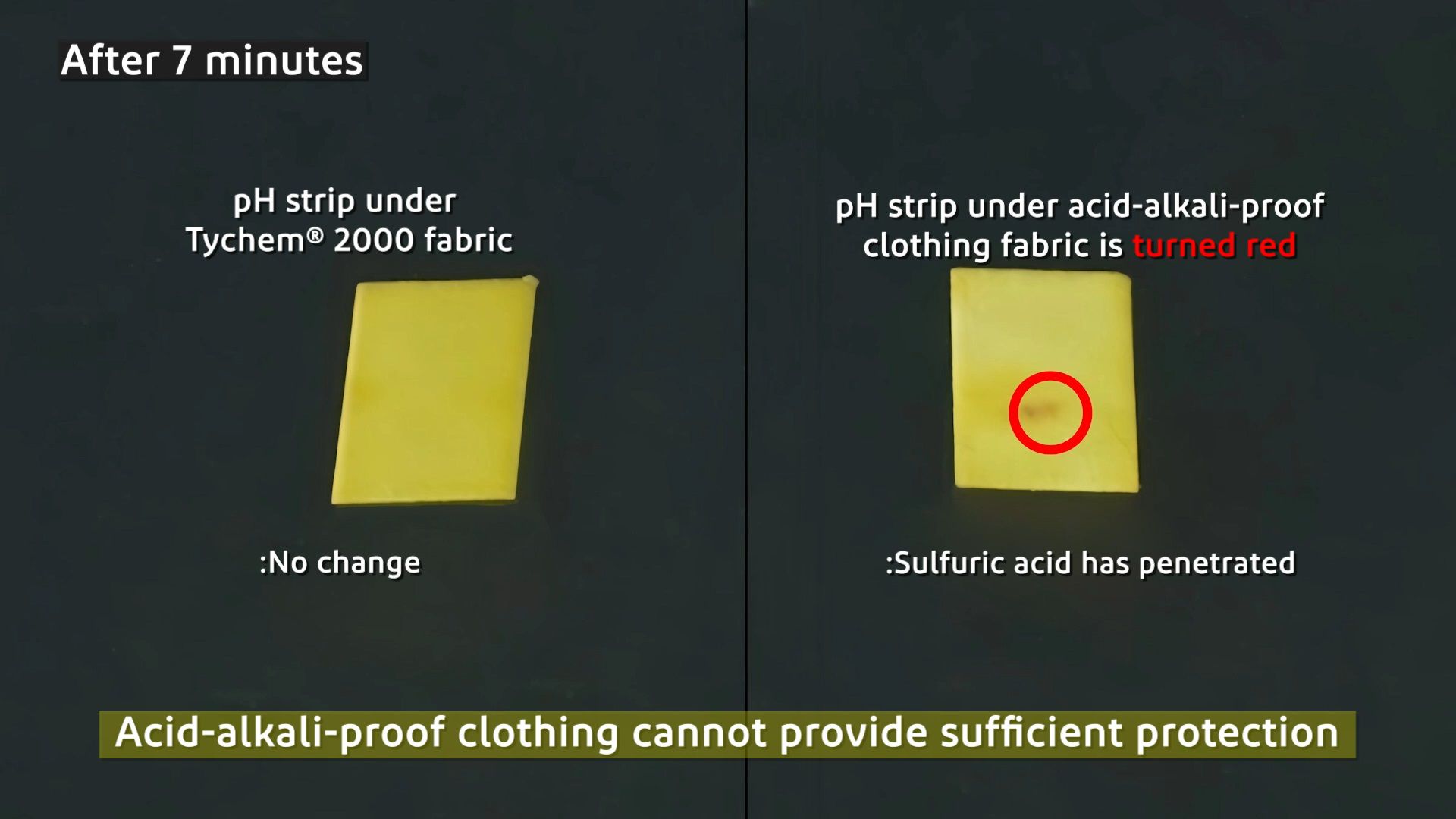
Tychem® vs. Coated Textile Garment (Chemical Barrier) Sulfuric Acid
Tychem® vs. Coated Textile Garment (Chemical Barrier) HF Acid
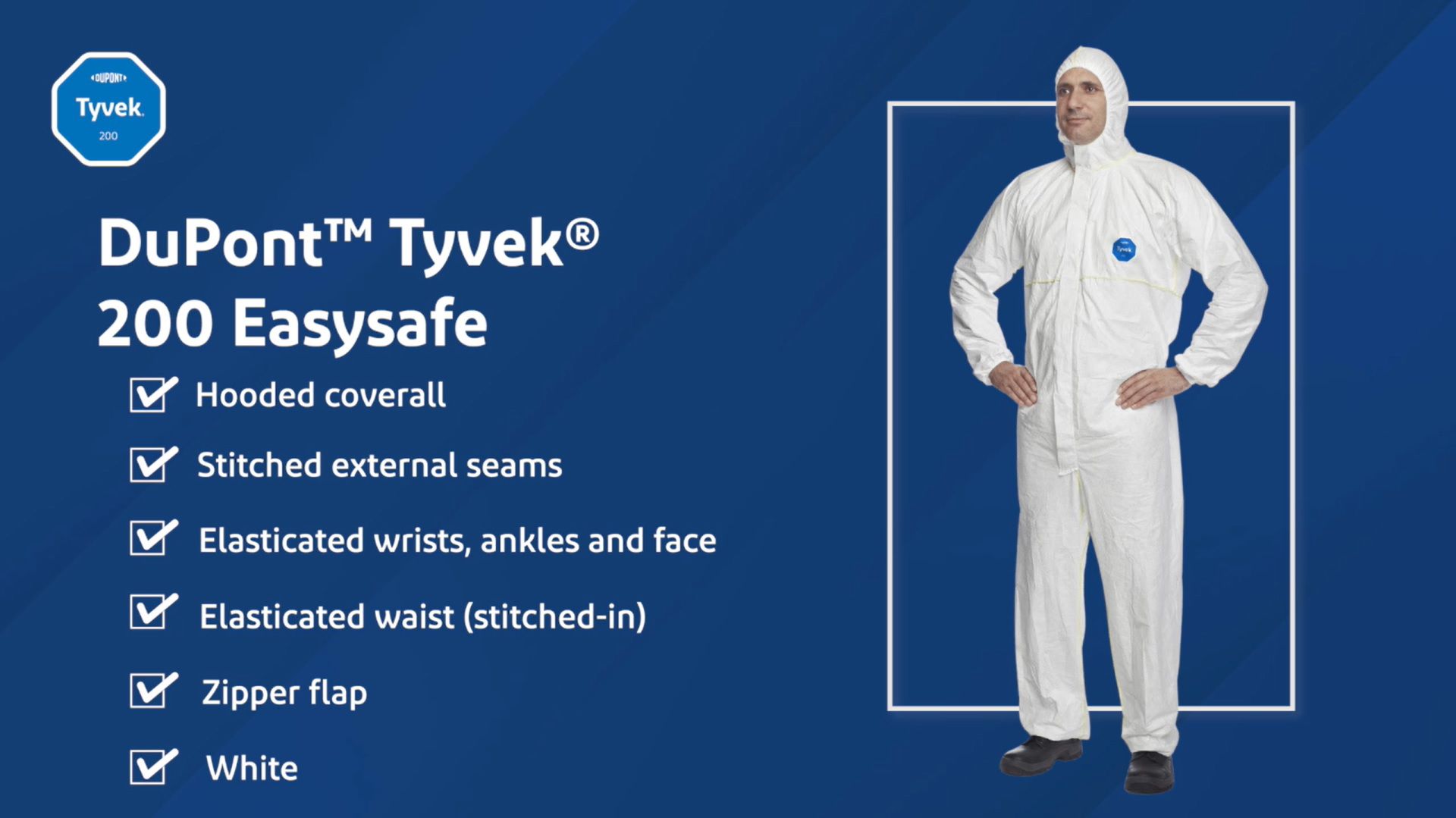
Introducing versatile Tyvek® 200 Easy Safe <br>
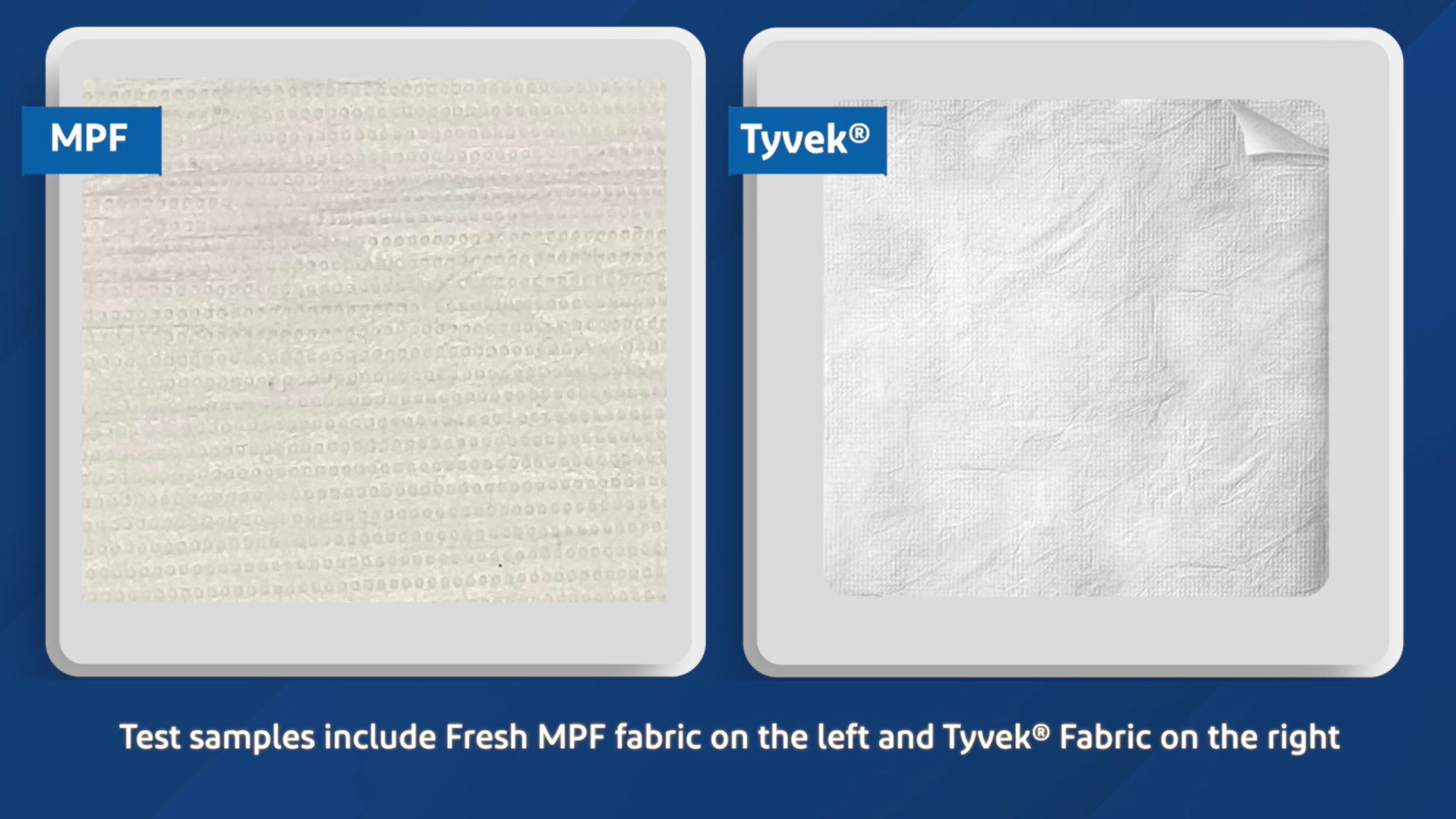
Tyvek® vs. MPF: Water Penetration Resistance Under Pressure That Lasts Even After Abrasion
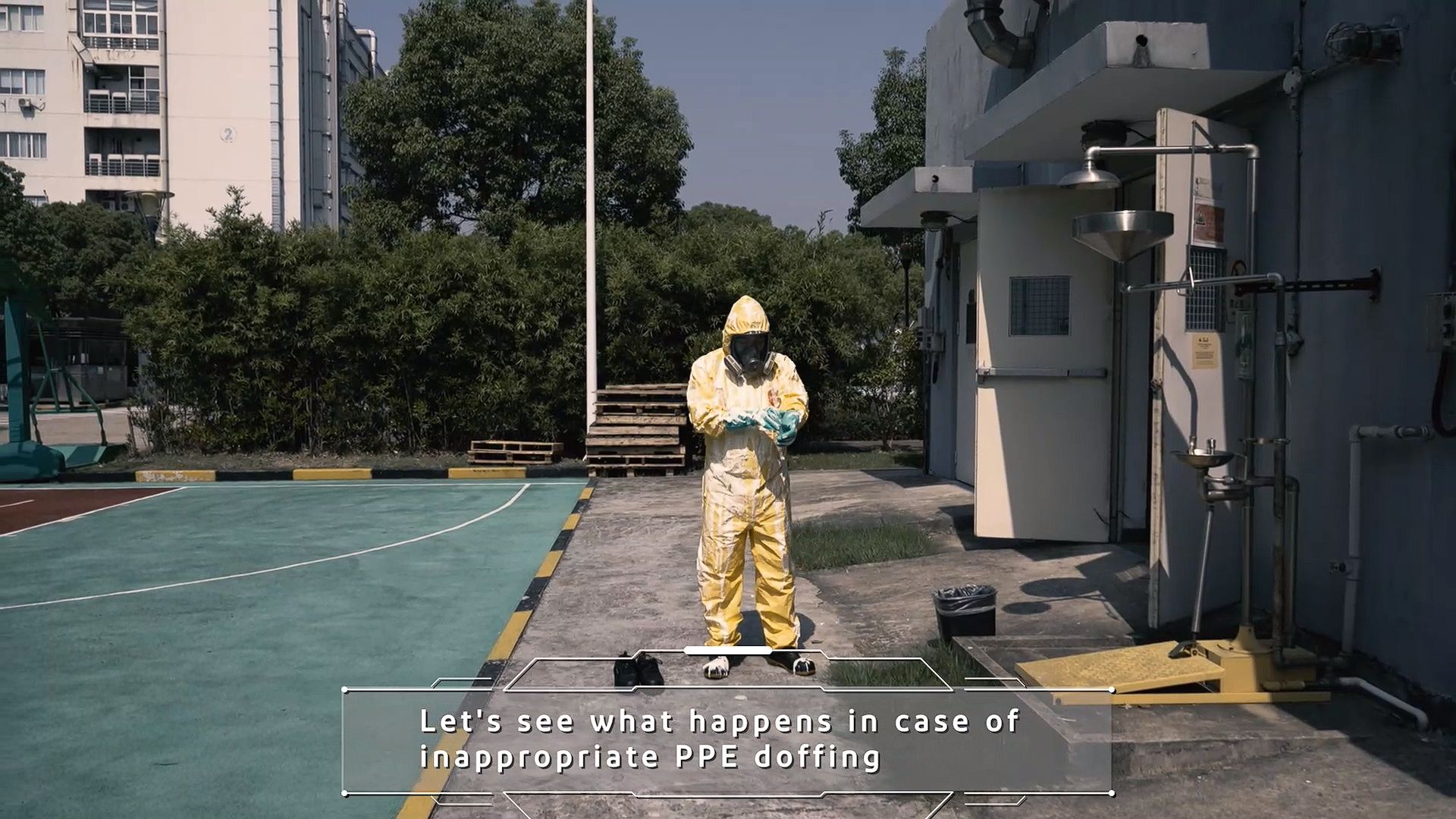
Safety Guide: Improper Doffing of Contaminated PPE—The Risk You Don’t See
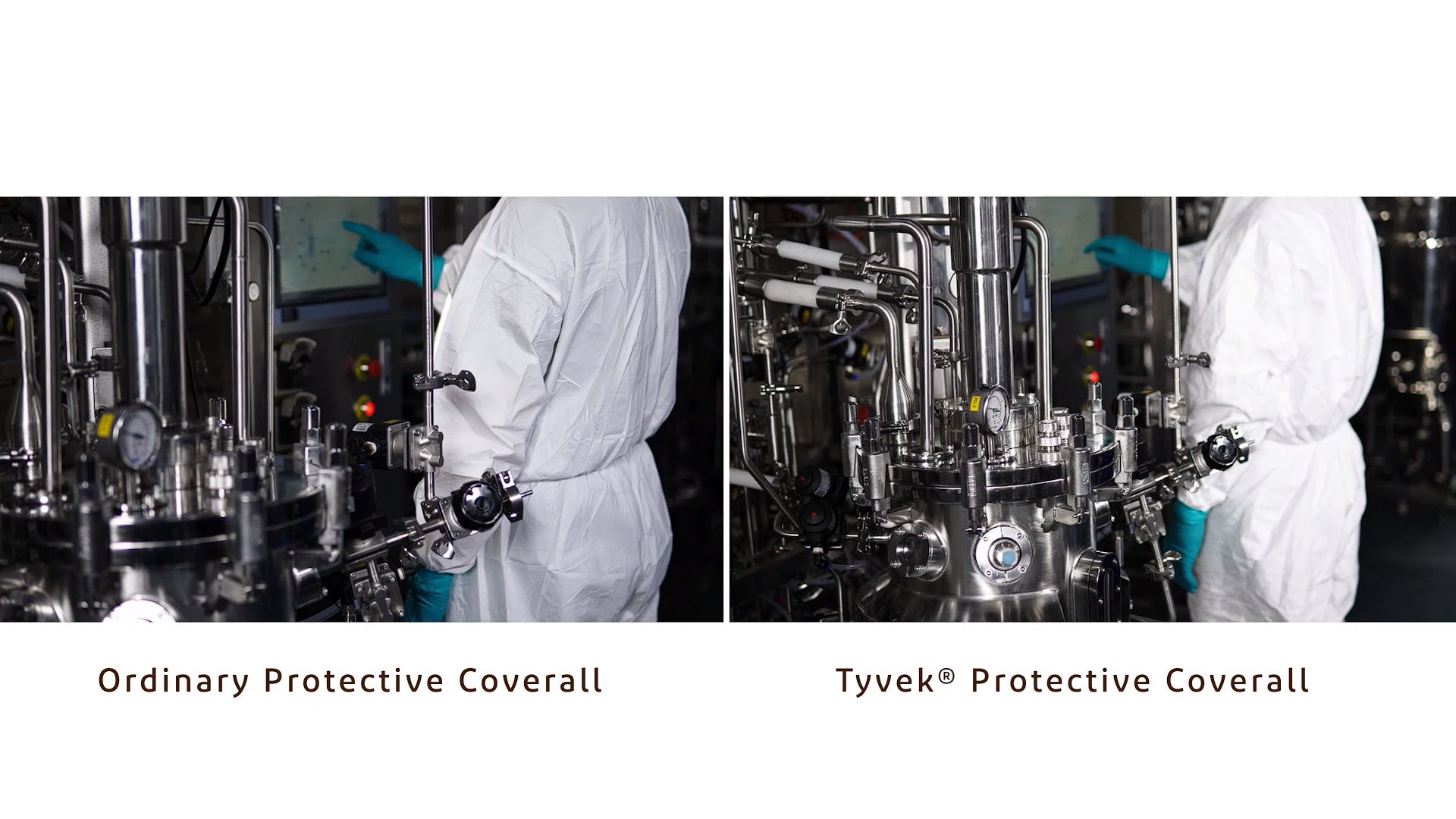
Tyvek® vs. SMS/MPF: Superior Durability and Protection in Real-World Environments
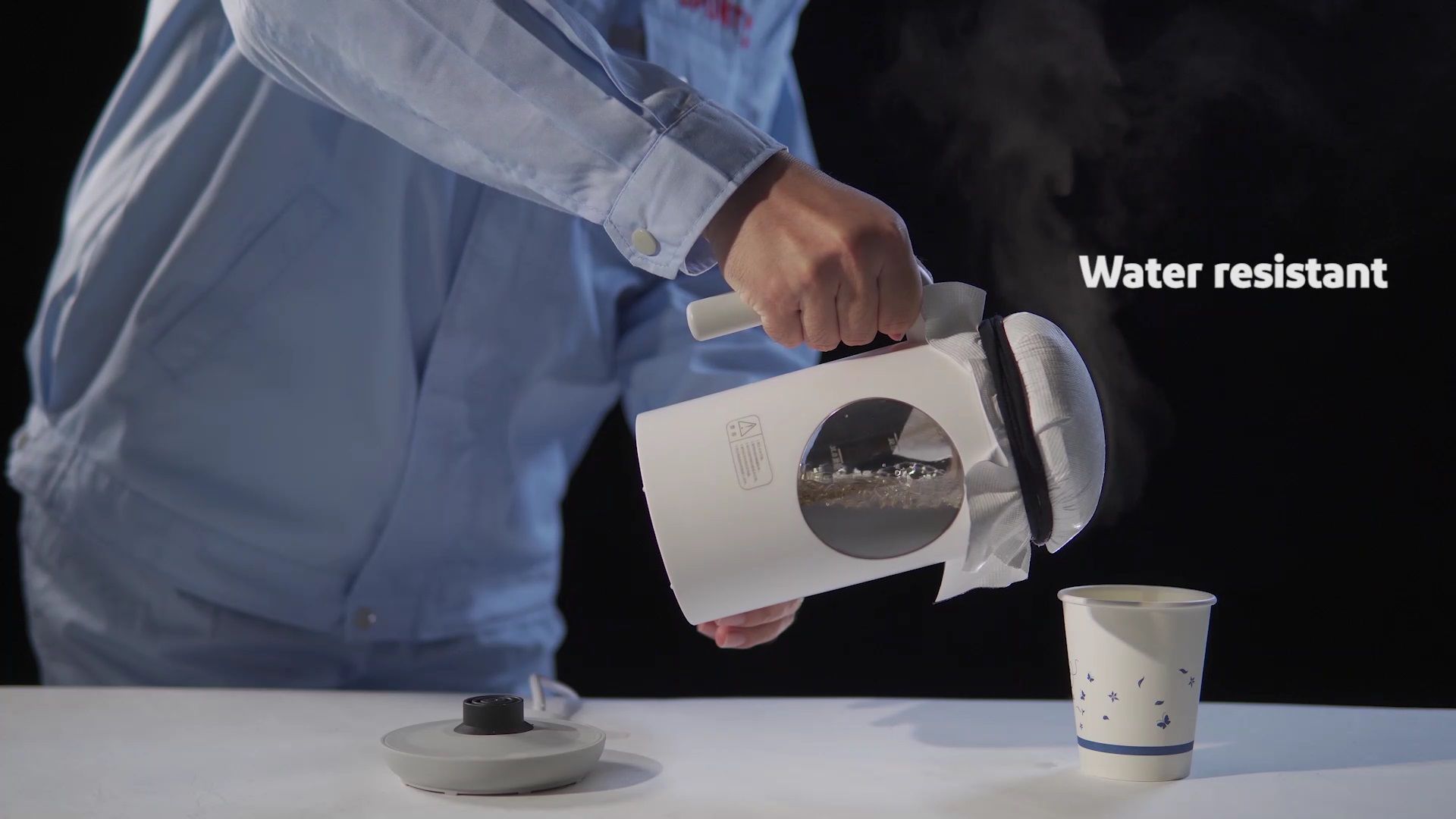
Tyvek® vs. MPF: Breathable Yet Water Resistant
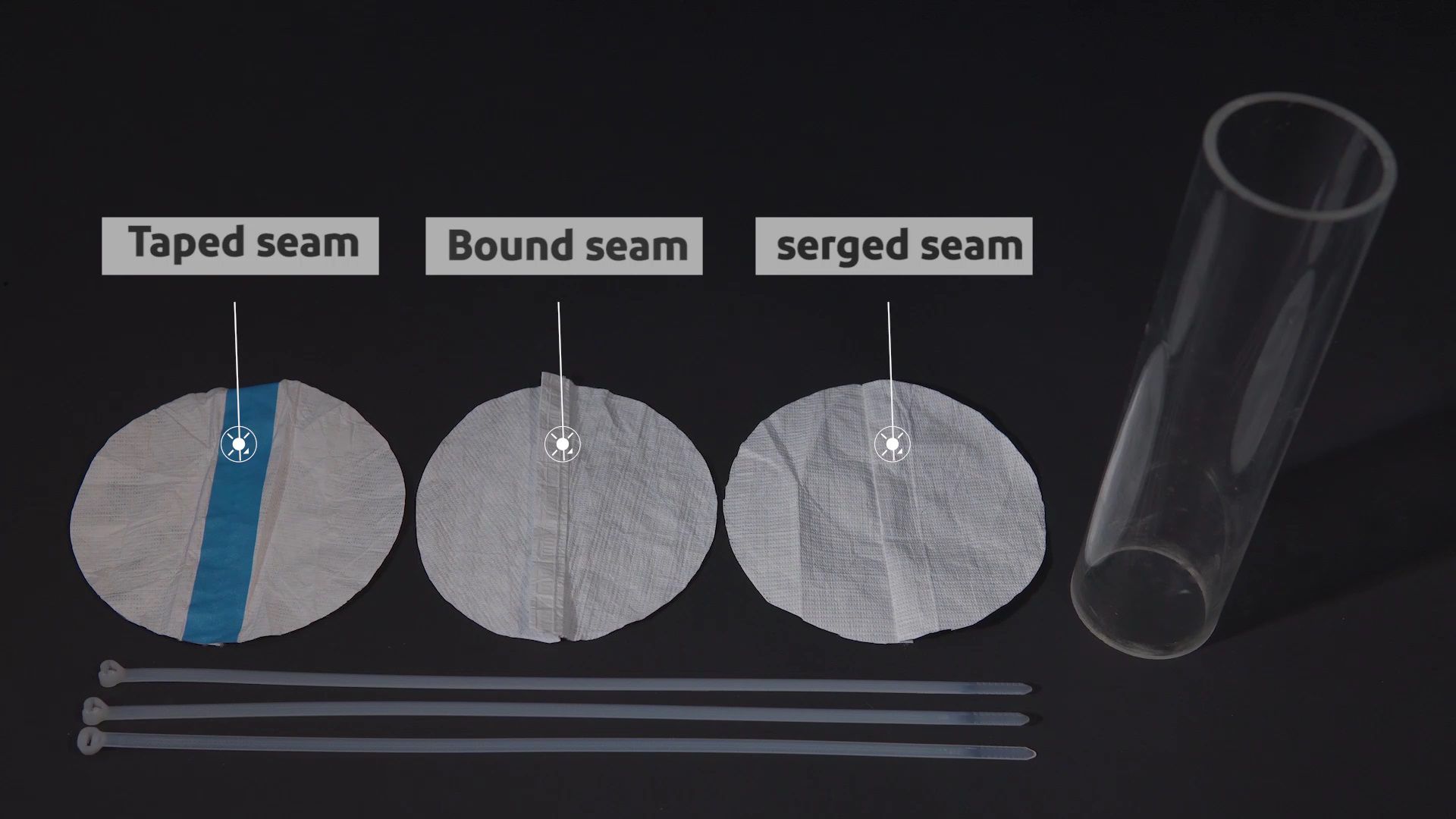
Safety Guide: Understanding Seam Types—Choose the Right Seams for Chemical and Biological Hazards
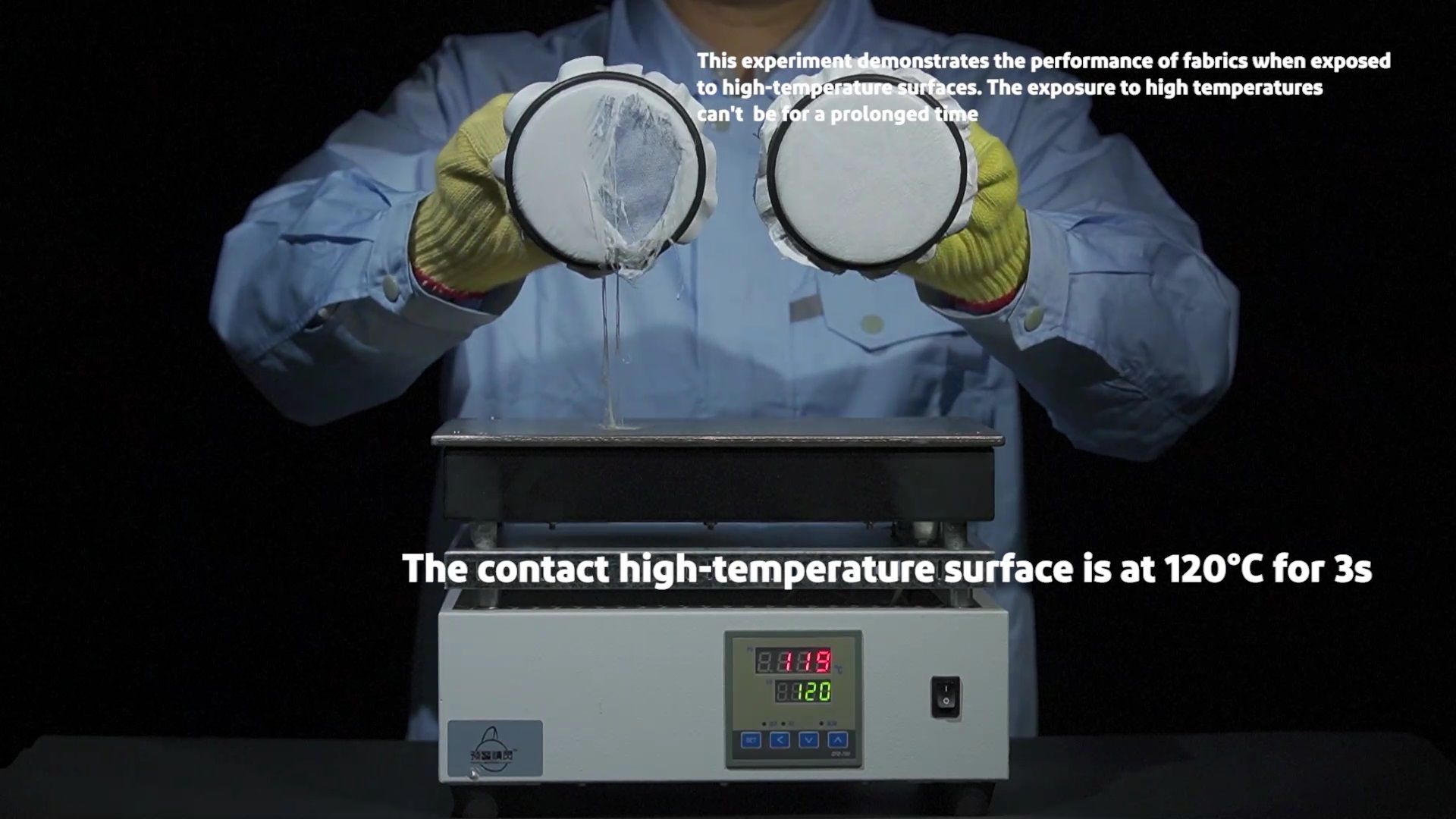
Tyvek® vs. MPF: Short-Time High-Temperature Surface Contact Risks and Protection

Tychem® vs. Chemically Treated Woven Workwear: Choosing the Right Protection Against Acids (40% Hydrofluoric Acid)

ProShield® SFR: Secondary Flame Resistance for Chemical and Flash Fire Protection

Tyvek® vs. SMS/MPF: Understanding Type 5—Lower Particle Inward Leakage by Fabric, Design, and Seam
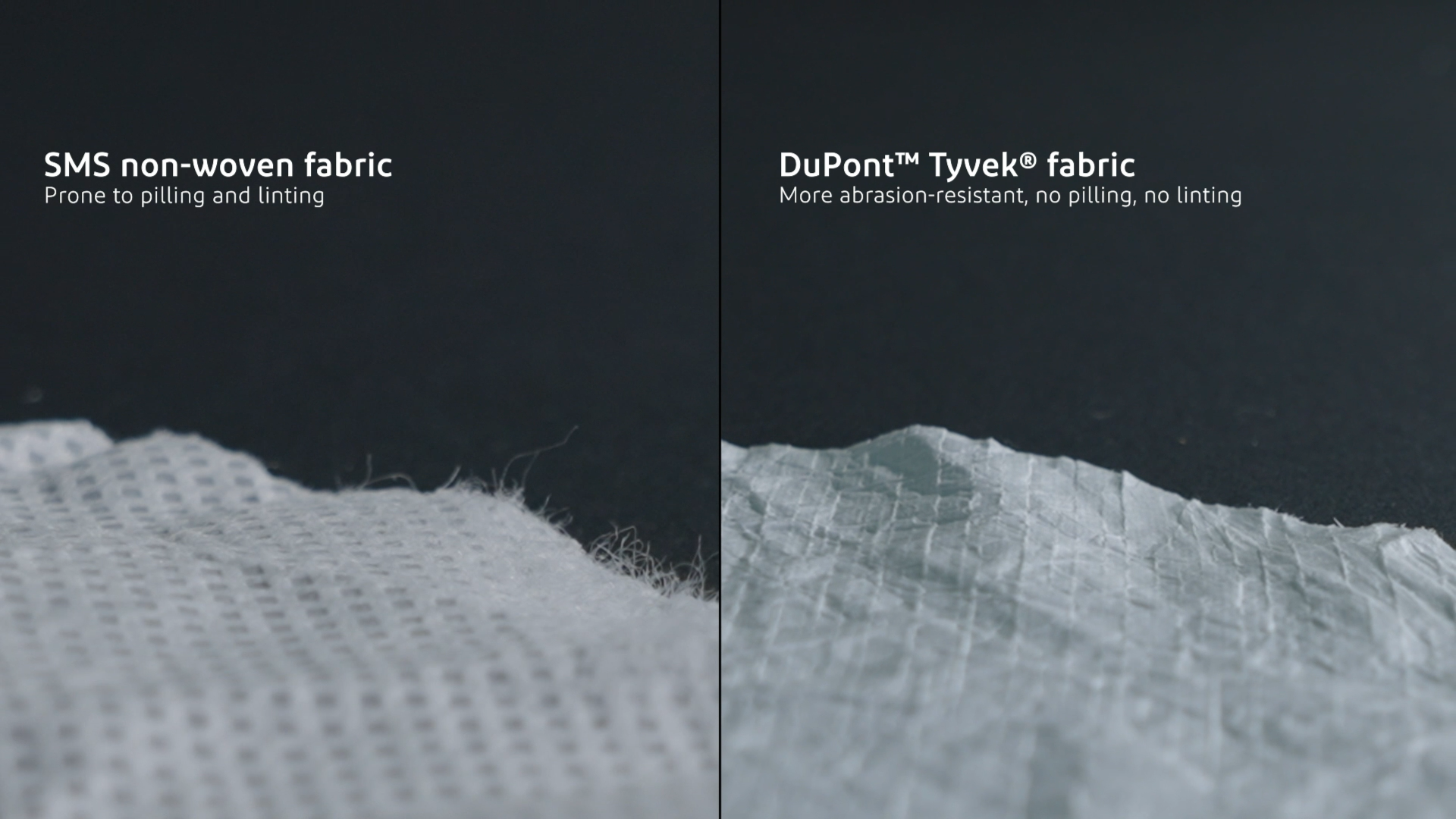
Tyvek® vs. SMS: Lower Linting for Reduced Contamination Risk to Your Product and Process
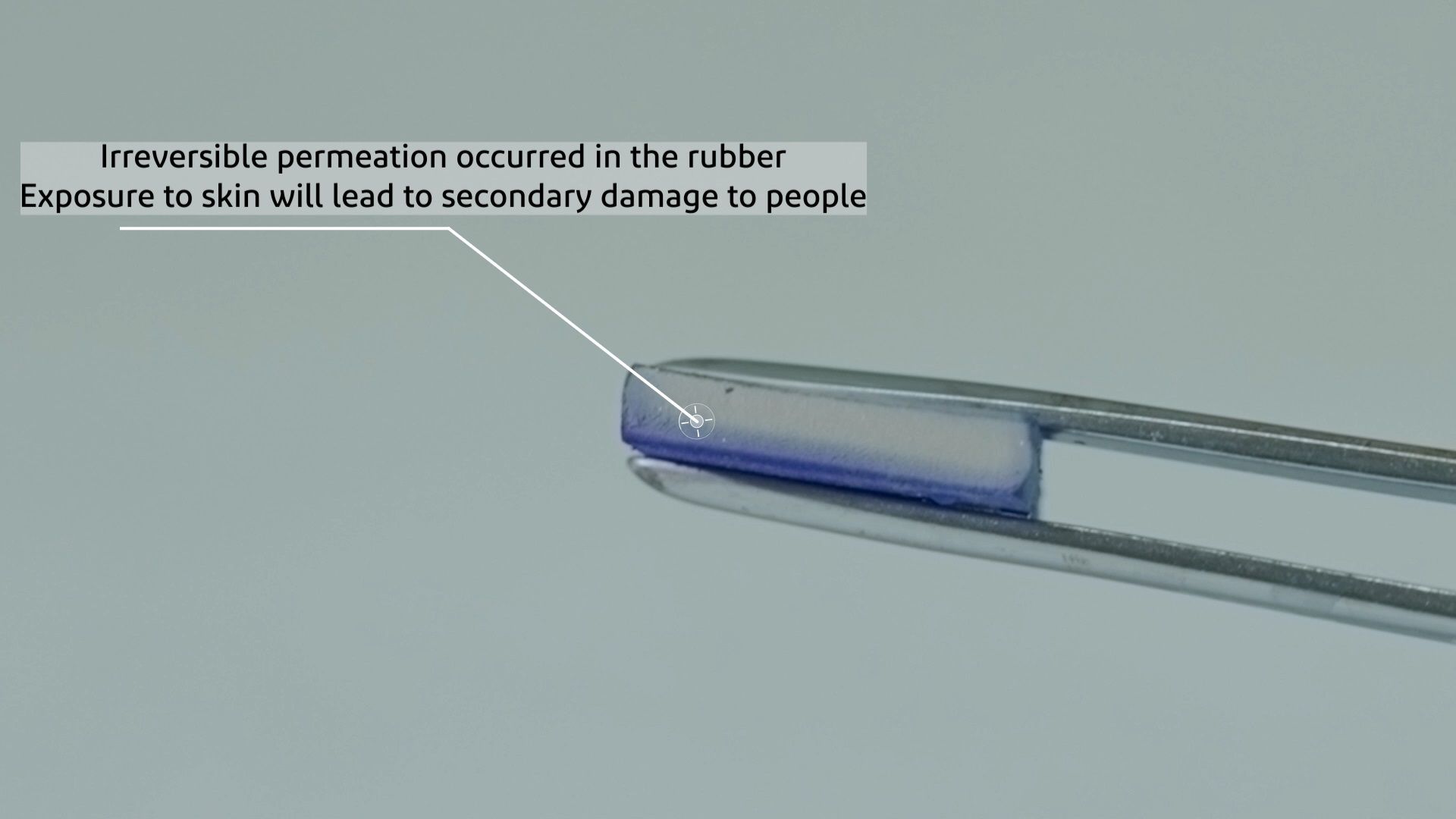
Tychem® vs. Rubber-Based Reusable: Why Limited-Use Tychem® Garments Reduce Permeation Risk After Contamination

Tyvek® vs. Reusable: The Right Protection for People and Contamination Control in Clean Environments
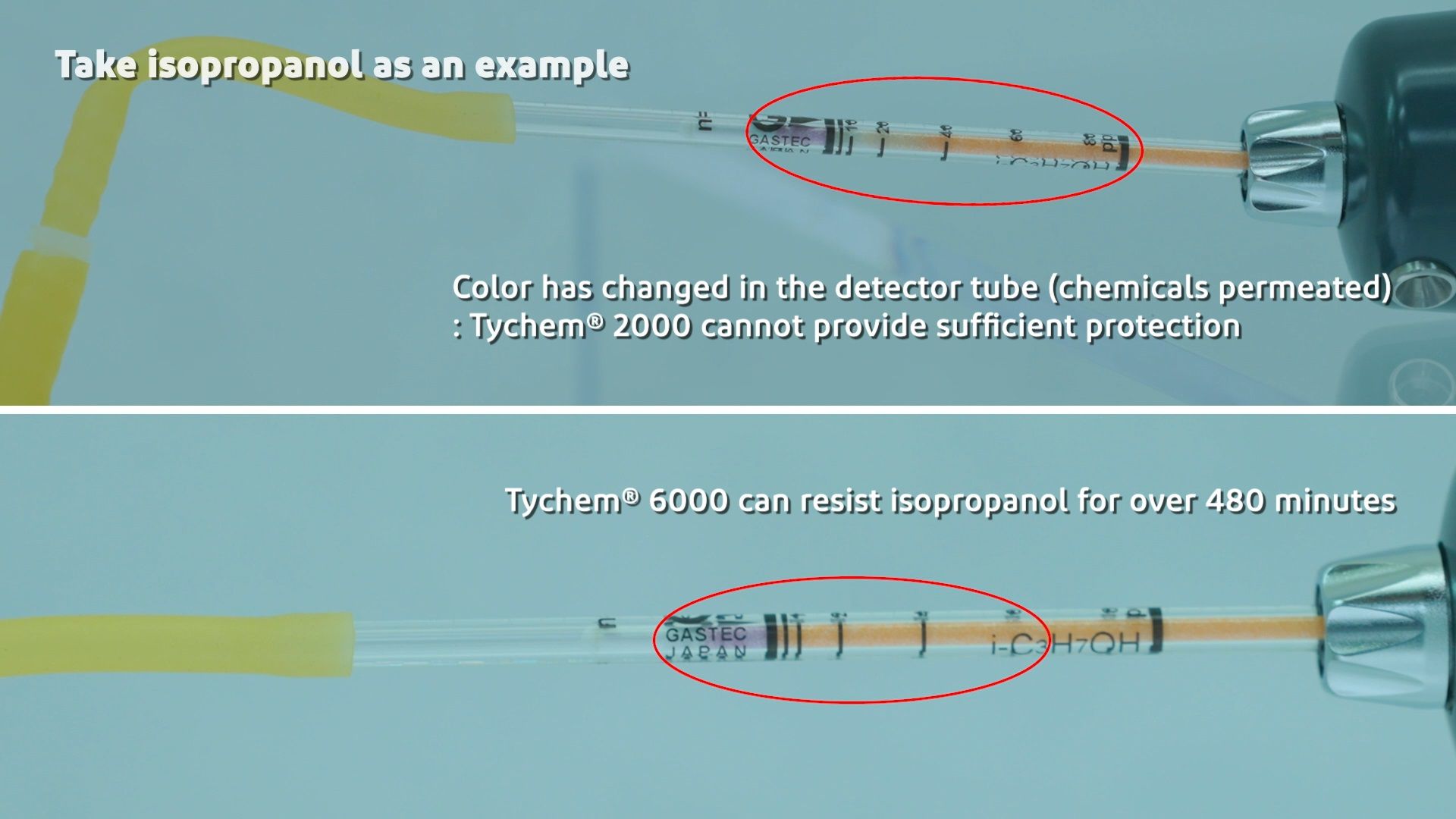
Safety Guide: Permeation Resistance—Choosing the Right Tychem® Fabric (Isopropanol Example)
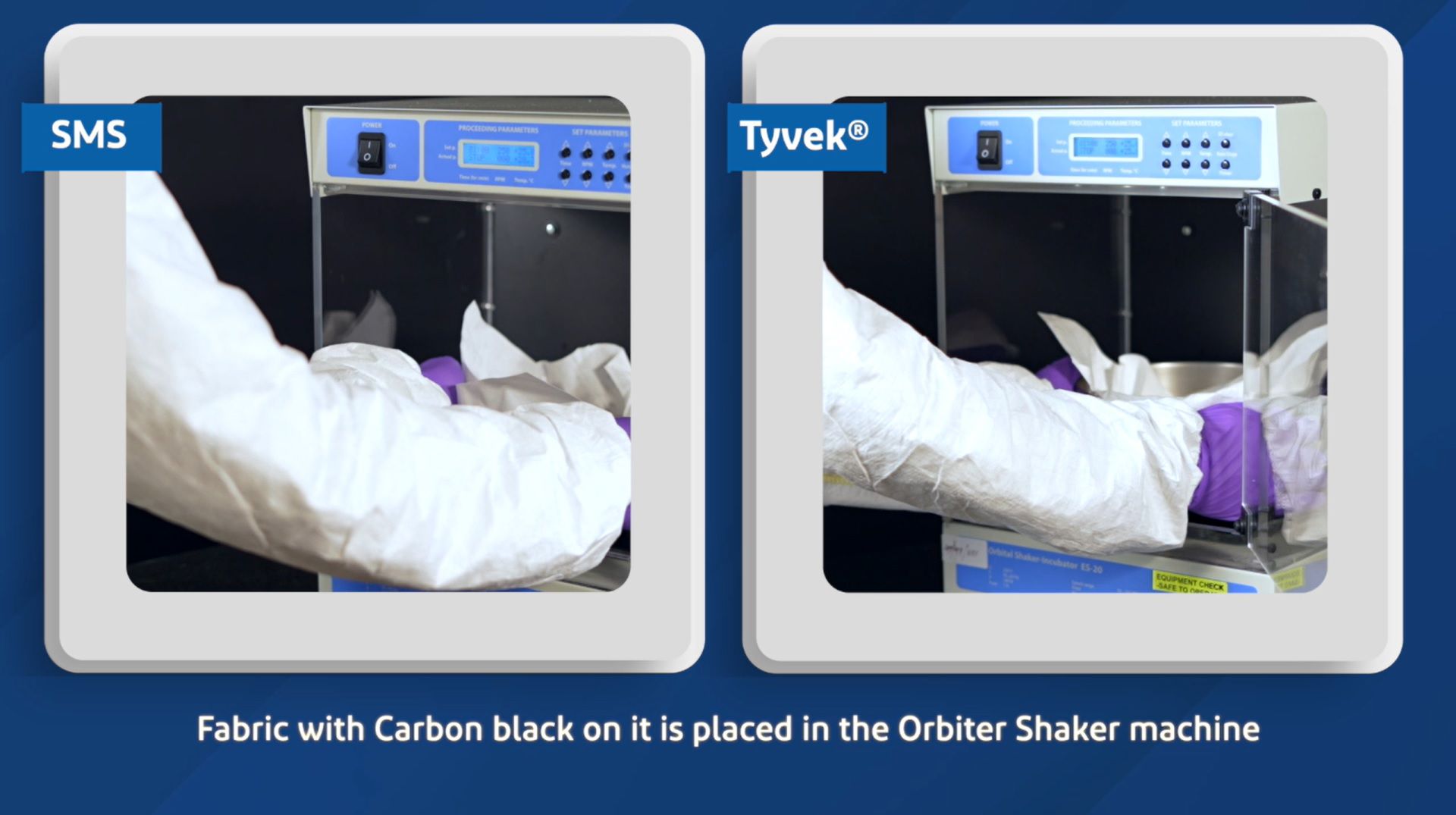
Tyvek® vs. SMS: Superior Particle Filtration and Protection Against Hazardous Particles

Safety Guide: Step-by-Step Procedure for Donning and Doffing Tyvek® Hooded Coveralls
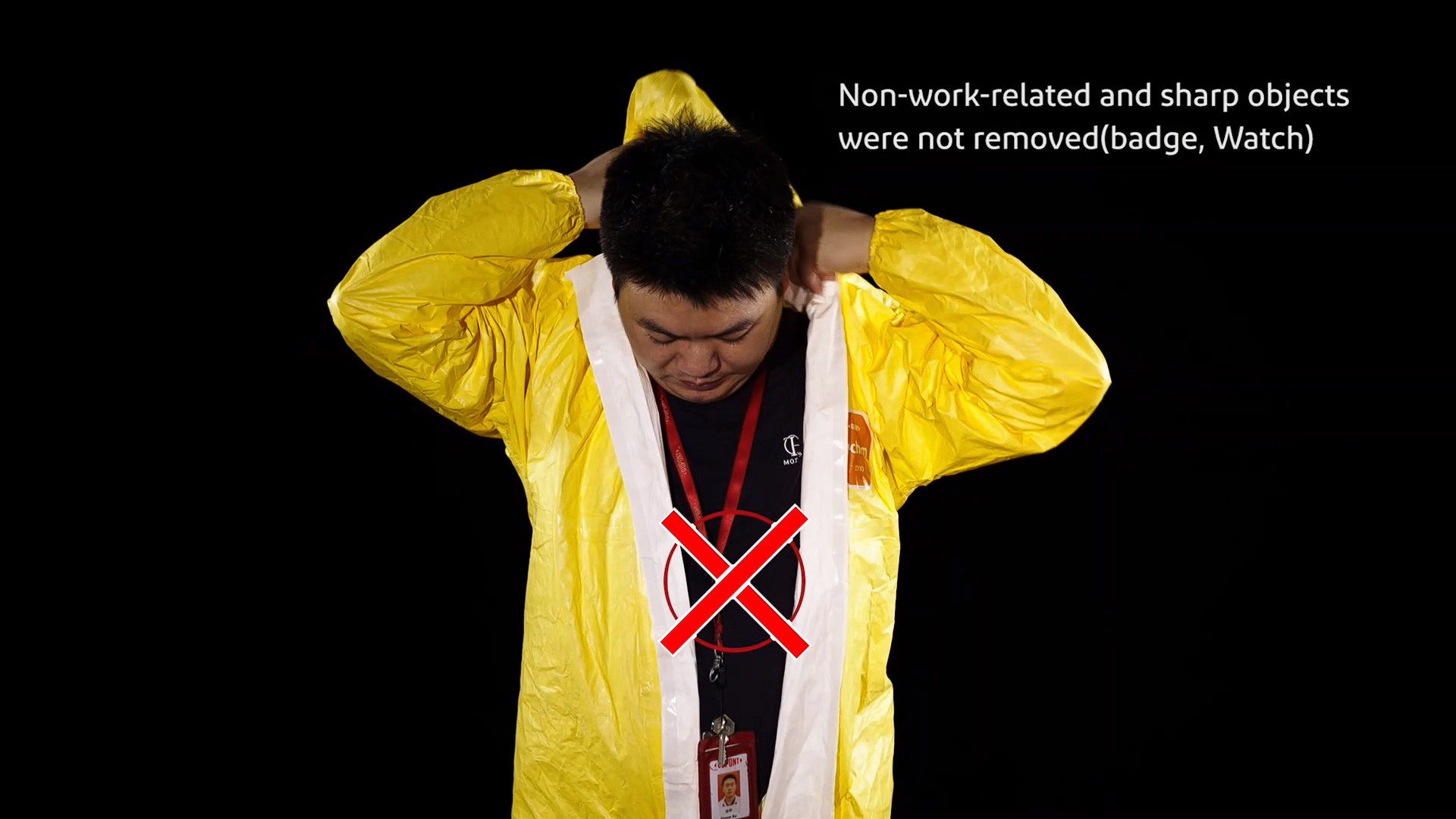
Safety Guide: PPE Donning and Doffing—Common Mistakes
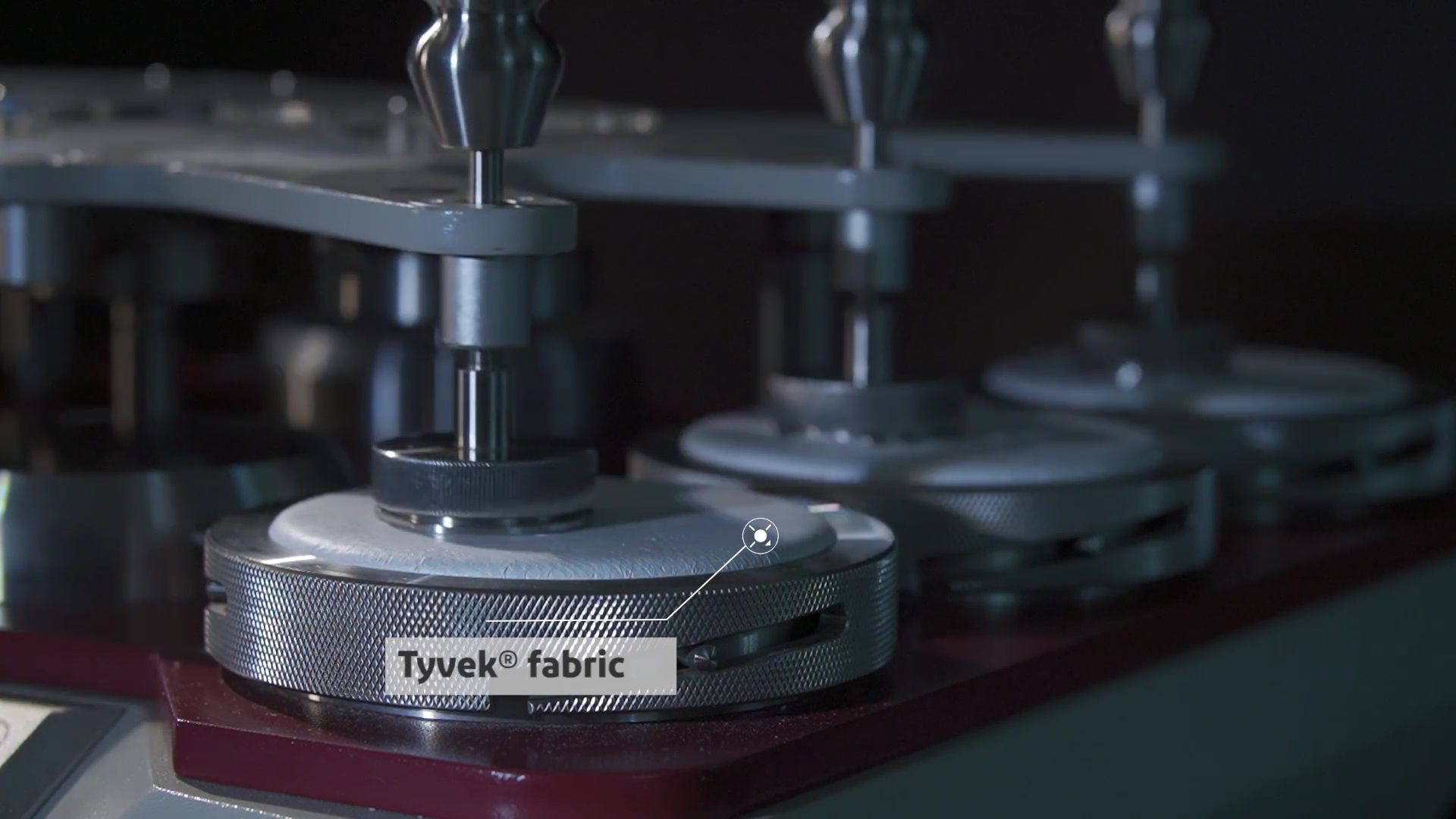
Tyvek® vs. MPF: Tough Against Abrasion, Performance You Can Trust
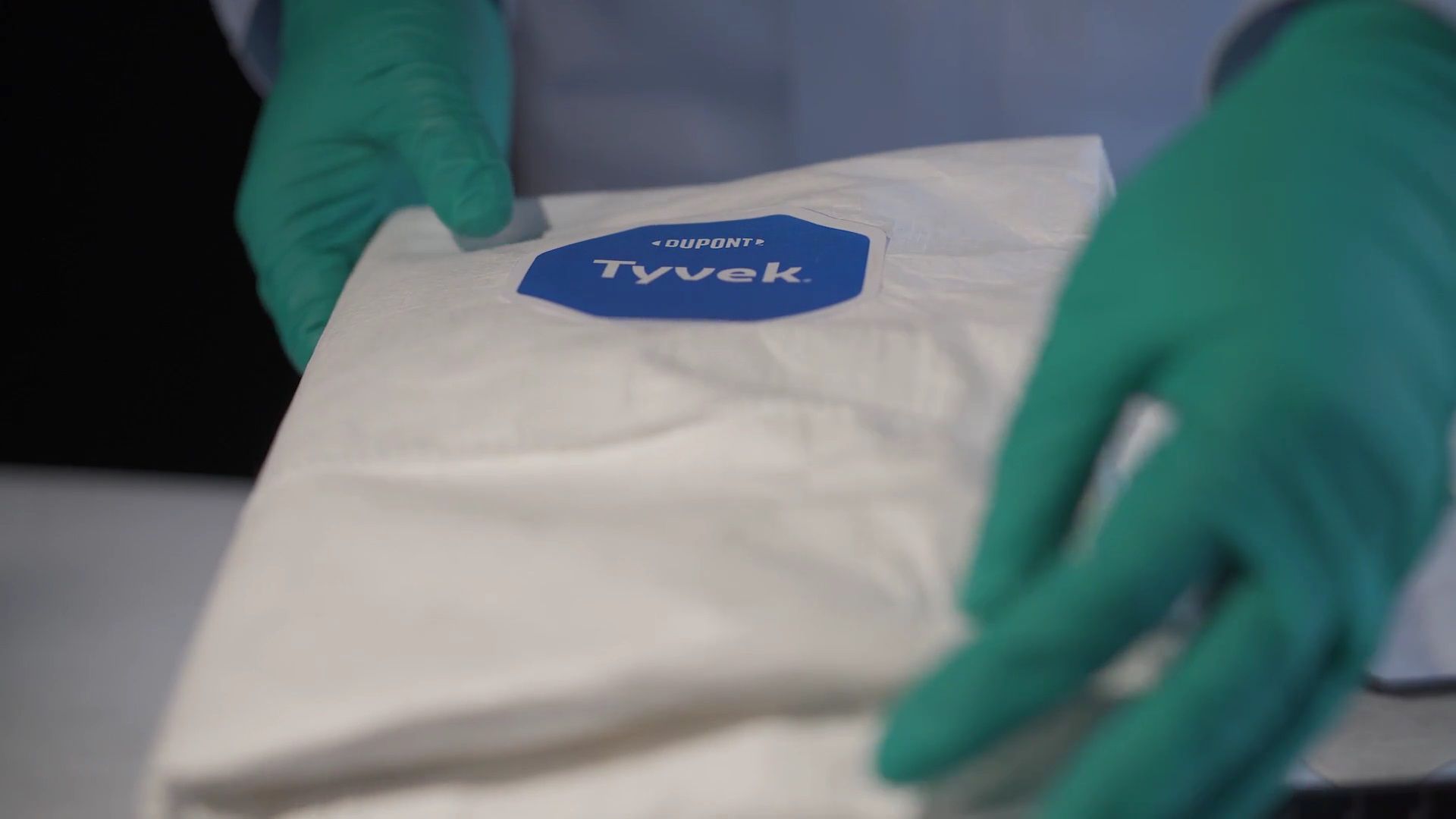
Tyvek® vs. MPF: Lightweight Protection for All-Day Comfort
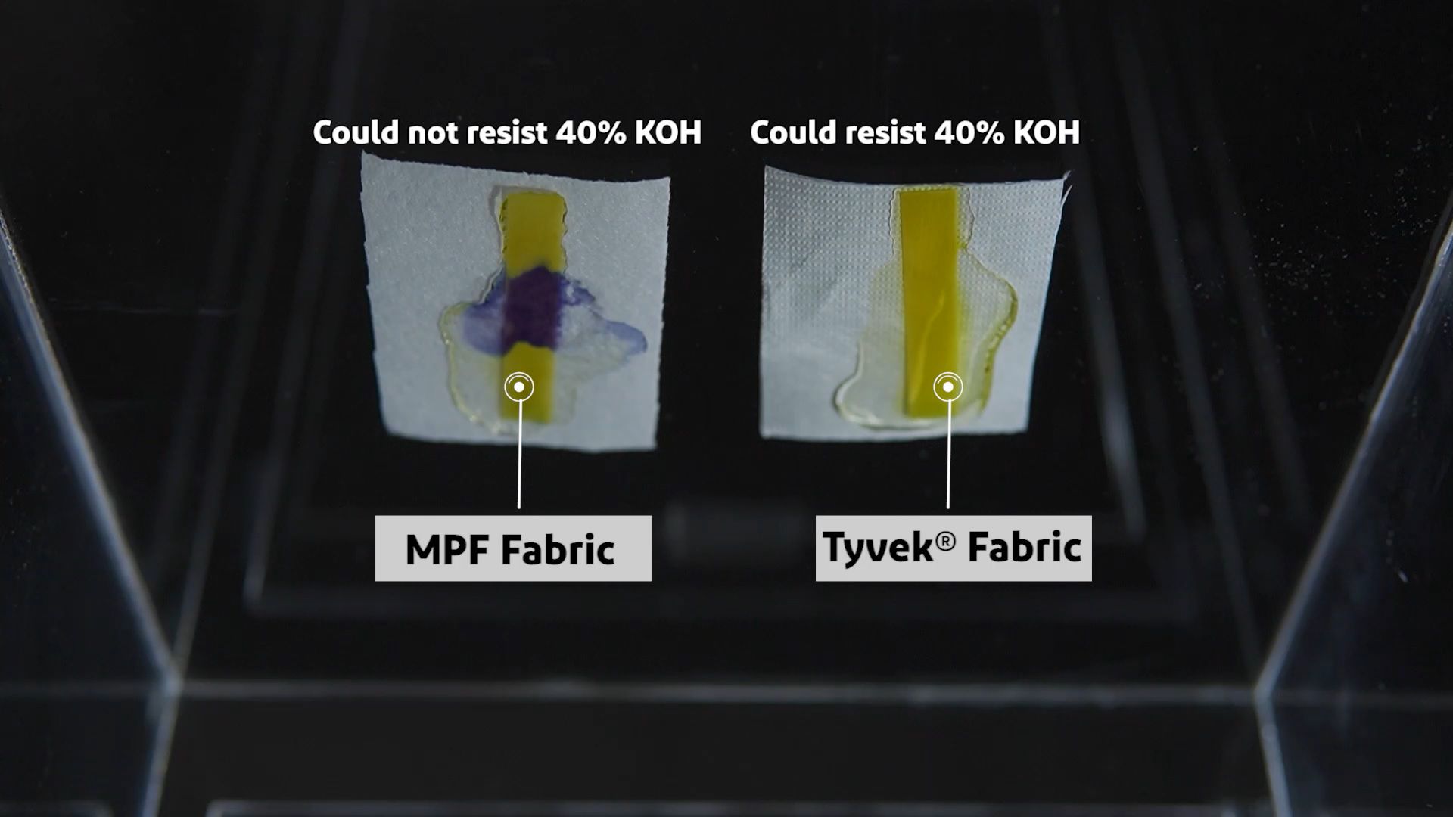
Tyvek® vs. MPF: Superior Protection Against Liquid Inorganic Chemicals (Example: 40% KOH – Potassium Hydroxide)
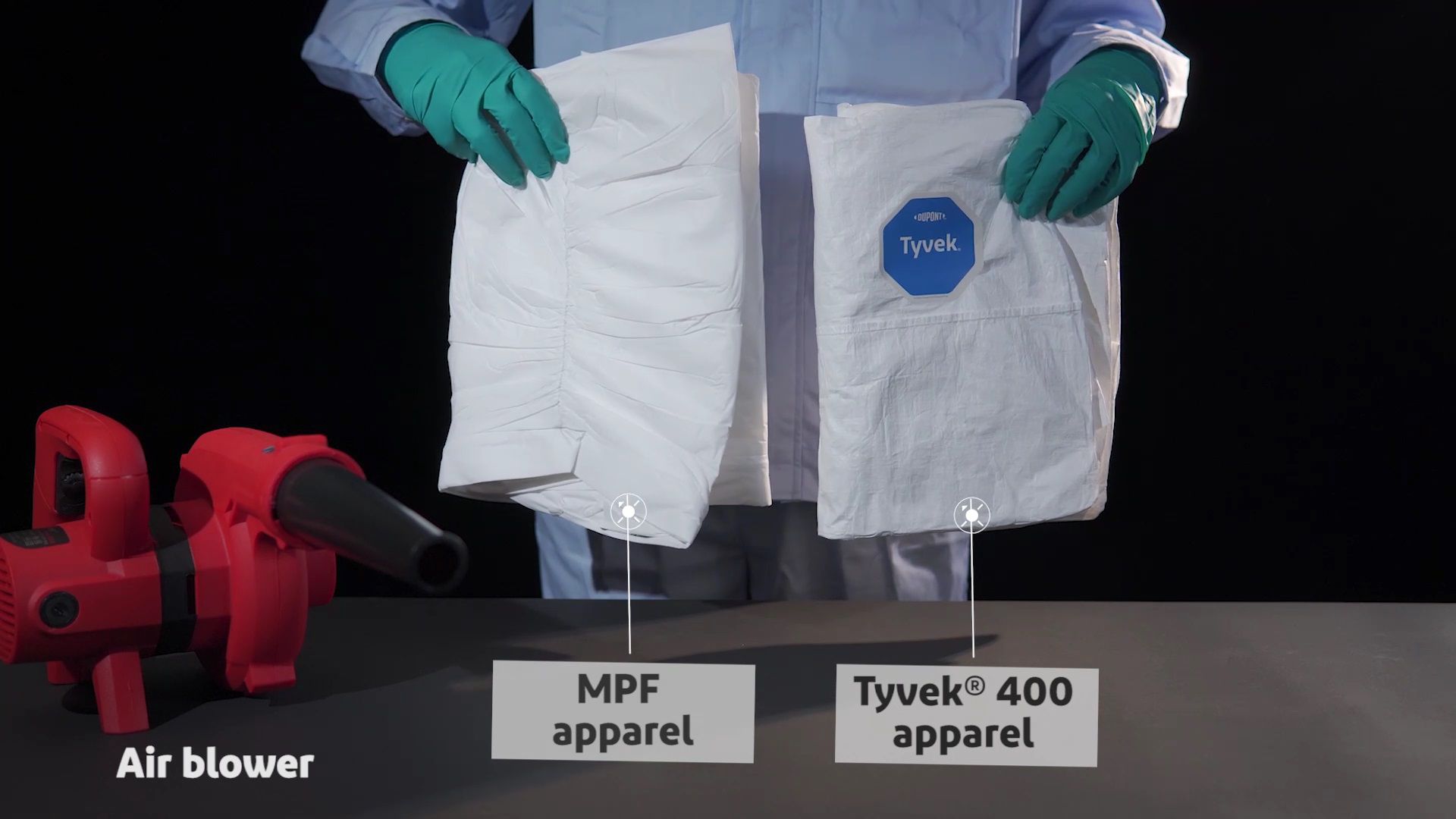
Tyvek® vs. MPF: Lower Linting for Reduced Contamination Risk to Your Product and Process

Tyvek® vs. MPF: Antistatic Performance to Prevent Static Discharge and Reduce Contamination Risk
Use DuPont™ SafeSPEC™ to make informed decisions on your chemical protective apparel choices with confidence! It is an interactive tool that provides the data you need to help select Tyvek®, Tychem® and ProShield® garments.